



Pardons can help remove barriers to re-entry. Michigan ranks in the bottom fourth of states granting them. Some want to see that change.
Oct 14, 2025
This video story was updated and aired on December 4, 2025.
In Michigan, thousands of criminal records have been wiped clean through the expungement process because of the state’s Clean Slate Act.
Certain crimes can be expunged but some more serious crimes cannot.
For those who don’t qualify for expungement, there is another route for people to get their records cleared.
That’s the pardons process.
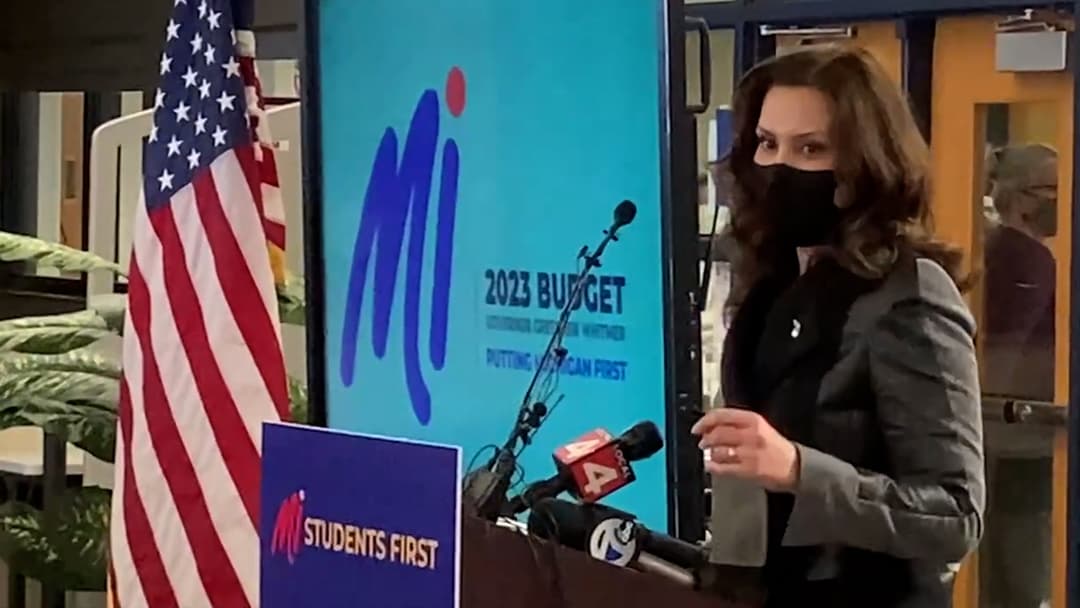
Aaron Suganuma received one of seven pardons granted by Governor Gretchen Whitmer in the past year and a half.
“At the age of 22 I was having a lot of struggle in my life,” Suganuma said. “A lot of my life ended up revolving around drugs and just trying to self-medicate.”
He served more than four years in prison for armed robbery, a crime that happened more than twenty years ago.
Suganuma now works at the Washtenaw County Sheriff’s Office and sought a pardon so he could travel overseas and participate more fully in school events with his daughter.
Nationally, the Restoration Of Rights Project tracks the frequency of pardons granted by the states.
The project advocates for more pardons, rating Michigan in the bottom fourth of states granting them.
Michigan State University law professor Quinn Yeargain agrees the number of pardons in Michigan is low.
“There are some pardons in Michigan, but it really doesn’t stack up compared to the number of people who are incarcerated in Michigan under their state criminal charges,” Yeargain said. “It’s a drop in the bucket.”
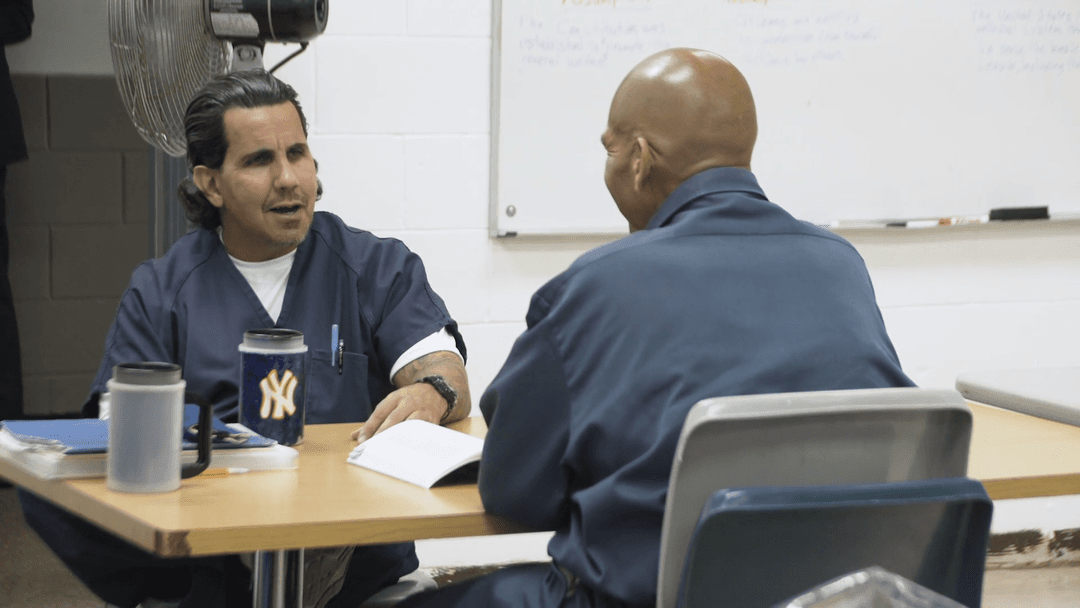
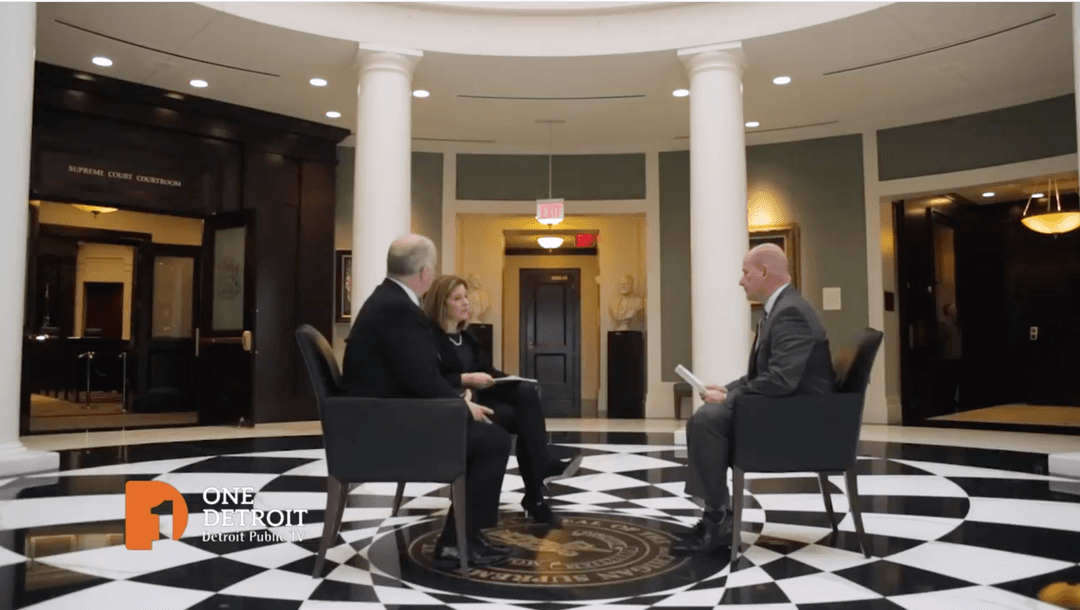
One Detroit contributor Mario Bueno spent 19 years in prison and now reports on criminal justice issues. He joined One Detroit Senior Producer Bill Kubota examining pardons in Michigan. They heard stories about how the stigma of being a convicted felon affects people’s lives long after their prison sentence ends.
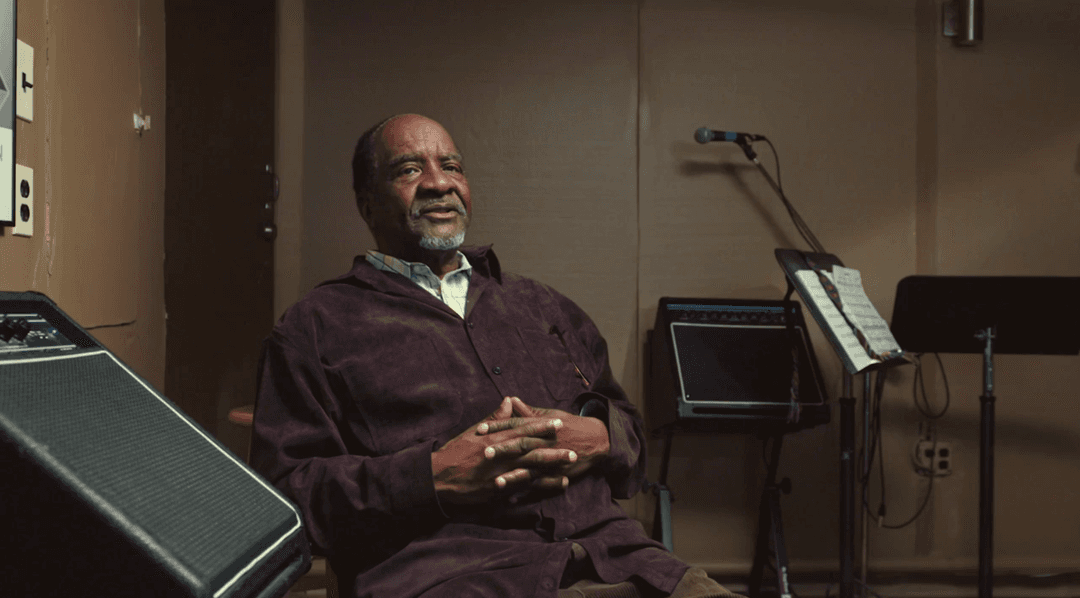
In their report, we hear from Pete Martel, who earned his law degree after serving time in prison, and Michigan Supreme Court Justice Richard Bernstein whose thoughts on second chances for returning citizens have changed in recent years.
Stay Connected
Subscribe to One Detroit’s YouTube Channel and don’t miss One Detroit on Thursdays at 7:30 p.m. and Sundays at 9 a.m. on Detroit PBS, WTVS-Channel 56.
Catch the daily conversations on our website, Facebook, Twitter @OneDetroit_PBS, and Instagram @One.Detroit


Related Posts









Leave a Reply
Your email address will not be published. Required fields are marked*
Comments
Joseph
March 27, 202623:01:54This is a sharp and intellectually stimulating analysis that brilliantly deconstructs the ‘policy architecture’ of executive clemency and the critical importance of systemic accessibility in the evolution of modern Michigan reentry strategy. I particularly appreciate the way the feature highlights how the shift from administrative stagnancy to high-impact, mission-aligned pardon reform serves as a vital bridge between the abstract mechanics of legal finality and a profound, lived experience of narrative agency—it’s a powerful reminder that the most resonant restorative environments are those that prioritize procedural integrity, ethical complexity, and the strategic interrogation of the stories that shape our shared progress. The insight into how these administrative frameworks function as both a practical toolkit for the contemporary advocate and a sophisticated roadmap for the future of the One Detroit community is a fantastic and deeply moving observation. Thank you for sharing such a clear and focused perspective on the intersection of justice, craft, and the seeker’s heart!
Support Provided By
Cynthia & Edsel Ford
Fund for Journalism at Detroit PBS



And Support From Viewers Like You. Thank you.