



Ending Well – Health Care Planning for the Future
Jan 16, 2026
By Marty Fischhoff
Second of a two-part series: Health Care Decisions
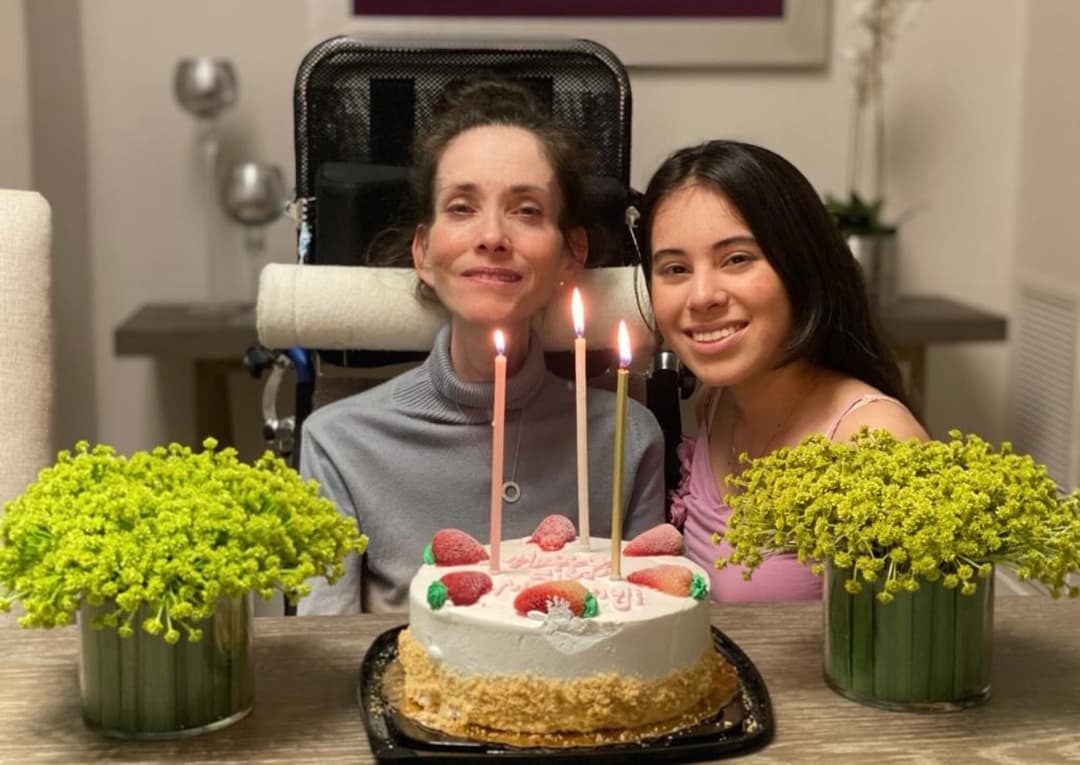
Four years ago, Susan Major was diagnosed with advanced pancreatic cancer. Faced with this devastating news, she immediately took action, spelling out the health care treatment that she wished to receive. It helped ease the burden on her loved ones who might have to speak for her when she was no longer able.
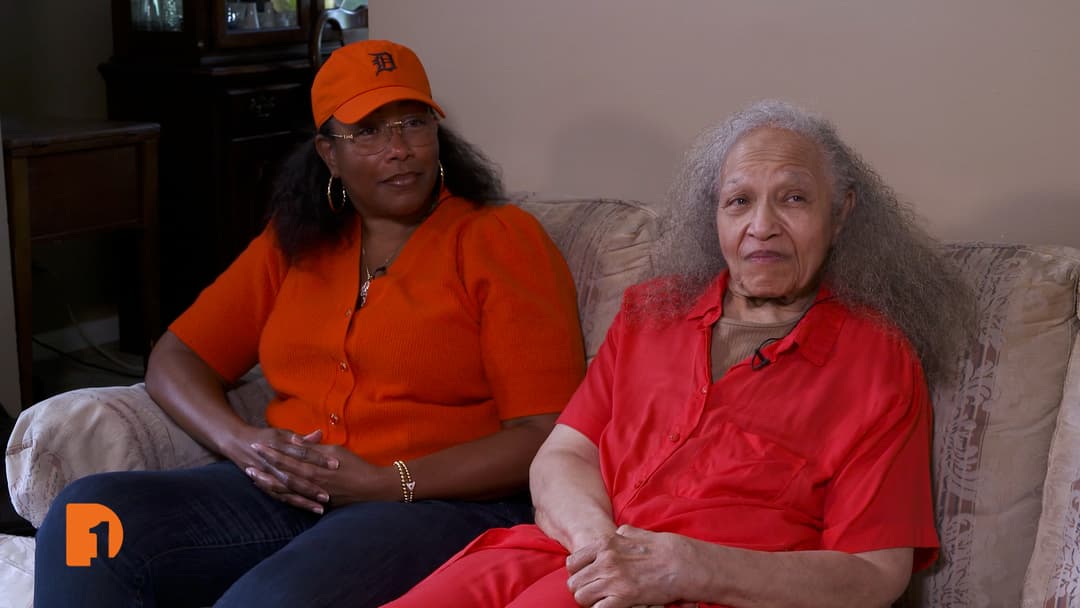
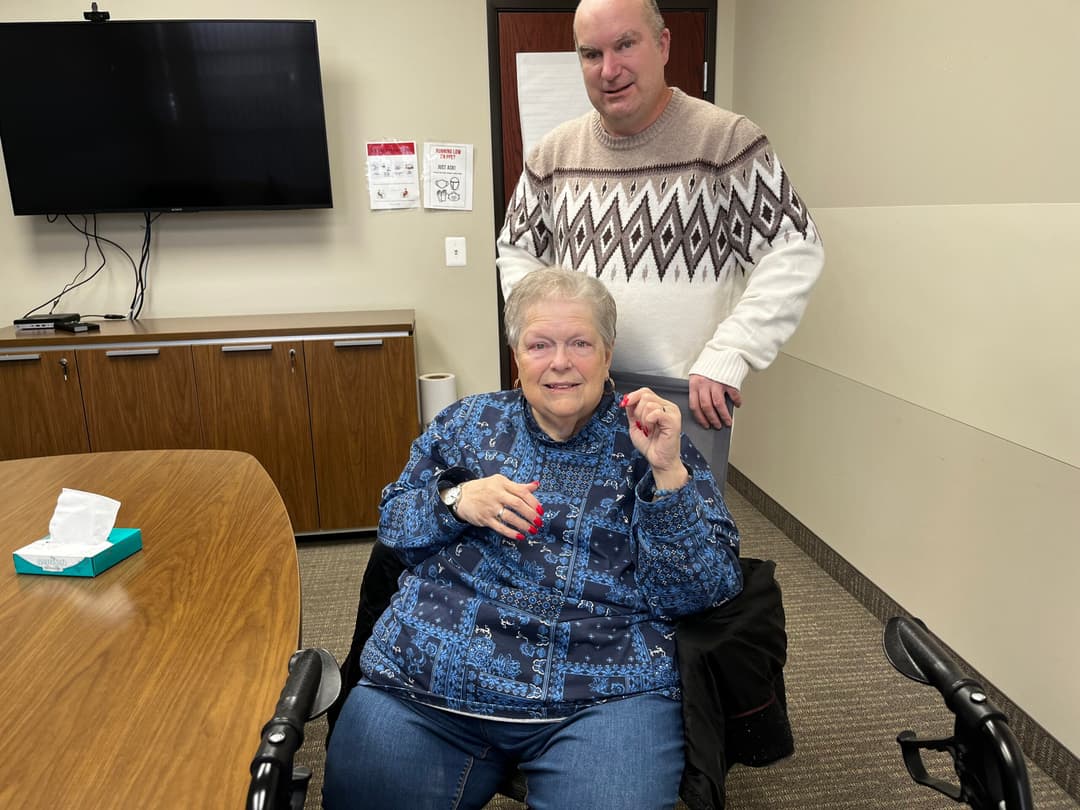
Major sat down with One Detroit, along with her sister and main caregiver, Marcia Major, to discuss the choices she has made and how they have helped her cope with her illness.
Susan, who lives in Ann Arbor, received chemotherapy on and off for four years before deciding to stop because of the side effects. During an interview late last year, she explained she was still feeling well and enjoying life.
“I feel good today,” she said. “I don’t have any pain. I have enough energy to do pretty much what I want to do … And I’m not afraid of dying.
“So, I feel I had the honor of having enough time to do all that and tell everybody I love, I love them, spend time with people and live how I wanted to live.”
Within the first three months of her diagnosis, not knowing how much time she had, Susan worked with her sister to prepare the necessary documents and plans to dictate the kind of medical care she wanted to receive and to put her other affairs in order.
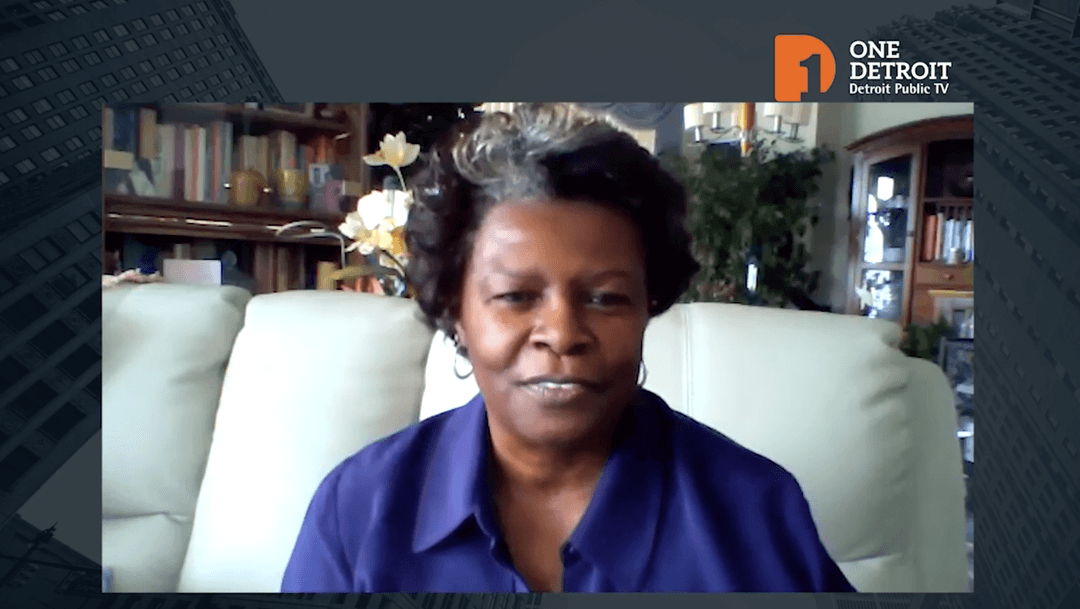
She also built a strong relationship with her palliative care physician at Michigan Medicine, Dr. Jane Chargot, who works with patients to manage their pain, stress and other symptoms, while also providing support for families and caregivers.
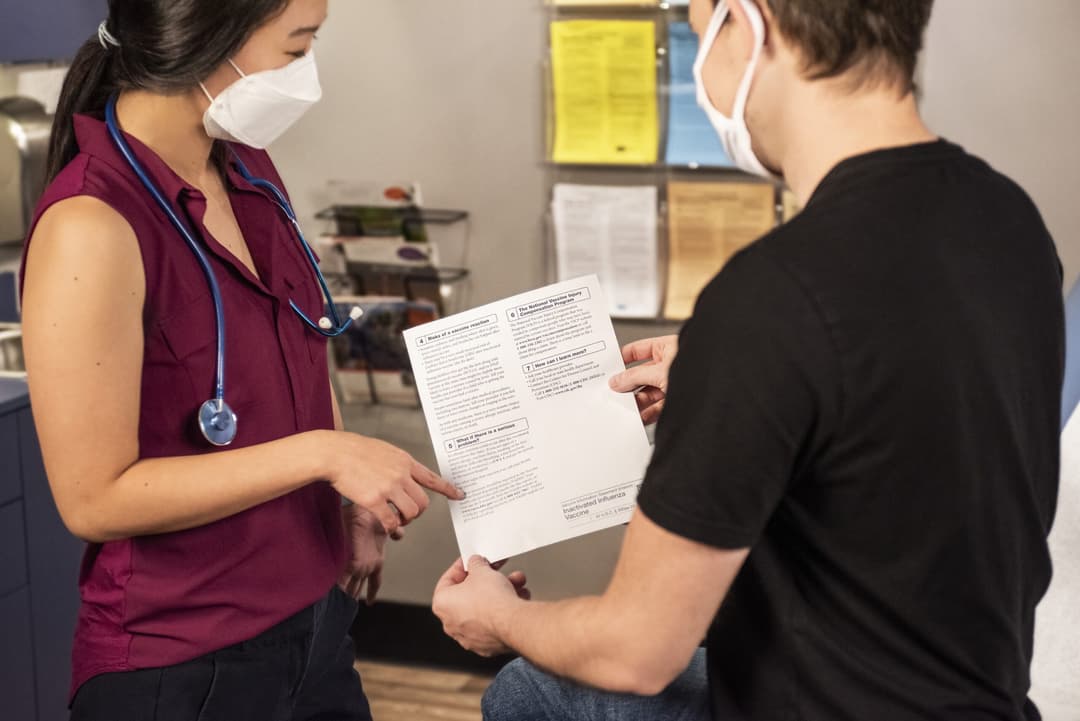
Dr. Chargot explained what conversations older adults and their family members should have before a health crisis occurs. One of the key documents is called an Advance Directive.
“With an Advance Directive, we help patients start to think what kind of care they want in their end of life,” Dr. Chargot explained, “whether or not somebody would want to go to ICU when they started to get really sick ,whether or not they would want to have something like a feeding tube or have dialysis or even have intubation.
“As difficult as it is to think about your own end of life or your own illness progressing, this is a gift to the people you love more than it is a gift to yourself because it really helps them navigate these really awful decisions that they would have to make and helping lift a little bit of that burden from their shoulders spiritually.”
Dr. Chargot had these recommendations for how caregivers could most effectively serve as a communications bridge between their loved ones and the medical team.
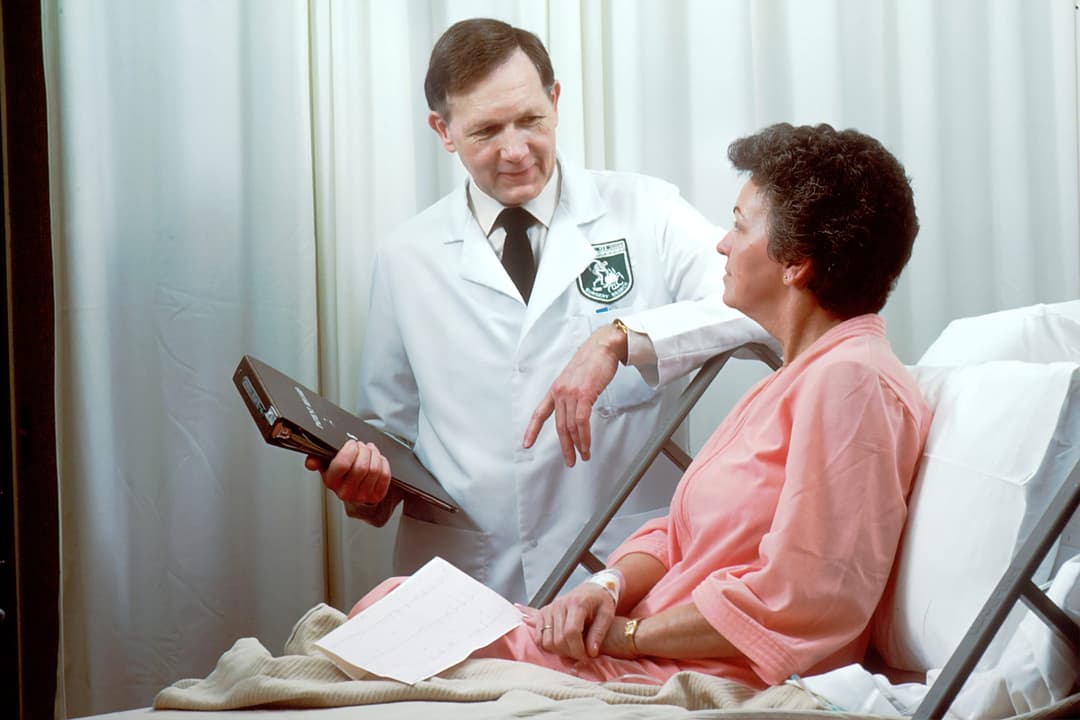
“When we’re really sick, it often really helps if we can have another set of ears, another mind to help us think through things,” Dr. Chargot said, “somebody who can recall something that was said. Because when we’re sick, remembering everything that the doctor said, everything that those nurse practitioners and PA said when they came through that door and talked to you is really, really, hard.
“So, helping a person advocate for themselves and then if you have to be the advocate for that person, depends on you being present and available, whether that’s on the phone, whether that’s on FaceTime, whether that’s being present in the room. Being available is really important.”
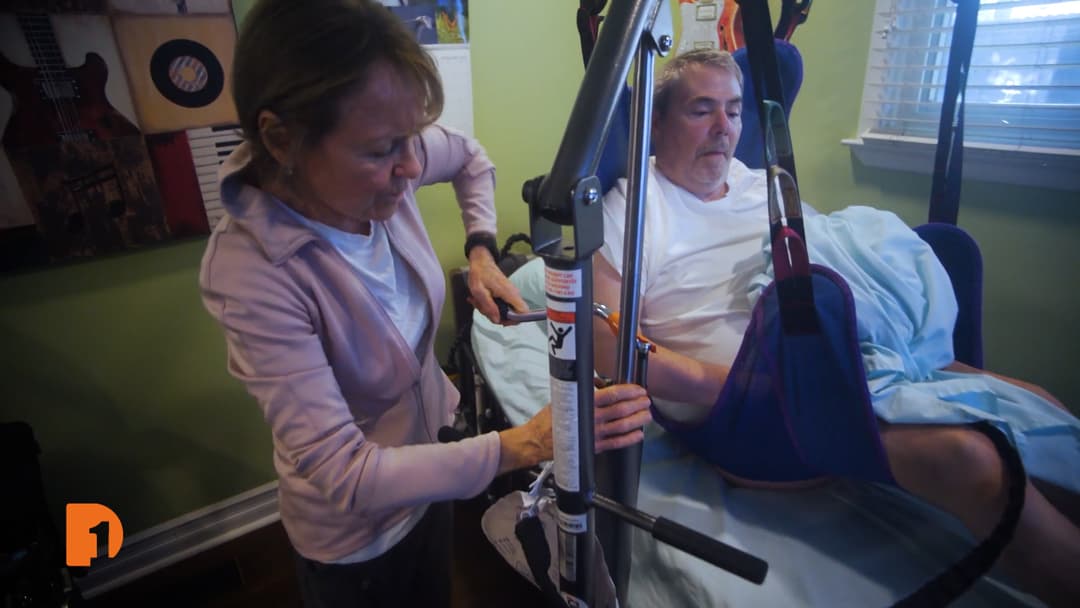
Marcia Major, who helped her sister with both her financial and health care preparations, offers her own valuable piece of advice for caregivers.
“One thing that people should be aware of is that not only do you need those documents, but you have to have those documents in a place where they’re readily available,” Marcia said. “For instance, there are packages that you can put on your refrigerator that have all the important documents, the contact numbers, insurance information, all the medications you’re on.
“So, that if you have to call emergency, call 911, the ambulance company has all that information.”
Susan concurs, “I have an envelope on my refrigerator – ‘Do Not Resuscitate’ on the outside of it. I have one in my purse, in my car.”
Marcia admires her sister’s remarkably upbeat attitude.
“I don’t know what gives her the strength and the energy, but I wish I did,” Marcia said. “What’s been most amazing to me, she has just remained so emotionally stable during this. And I don’t think anyone who is not going through this can begin to imagine what it’s like to have this kind of prognosis, and it just is mind-blowing that she can live every day and enjoy every day.”
After Susan had made all the other necessary preparations, she had one last item to take care of.
“I think my greatest concern,” Susan said, “and it was a huge concern to me, it’s my dog. I love my dog. She is the most wonderful friend I have. And I didn’t know who could take care of her.
Susan turned to her next-door neighbor, who has never owned a dog before but volunteered to take on this responsibility. To get to know Shanti, she has begun to take him for a walk every morning.
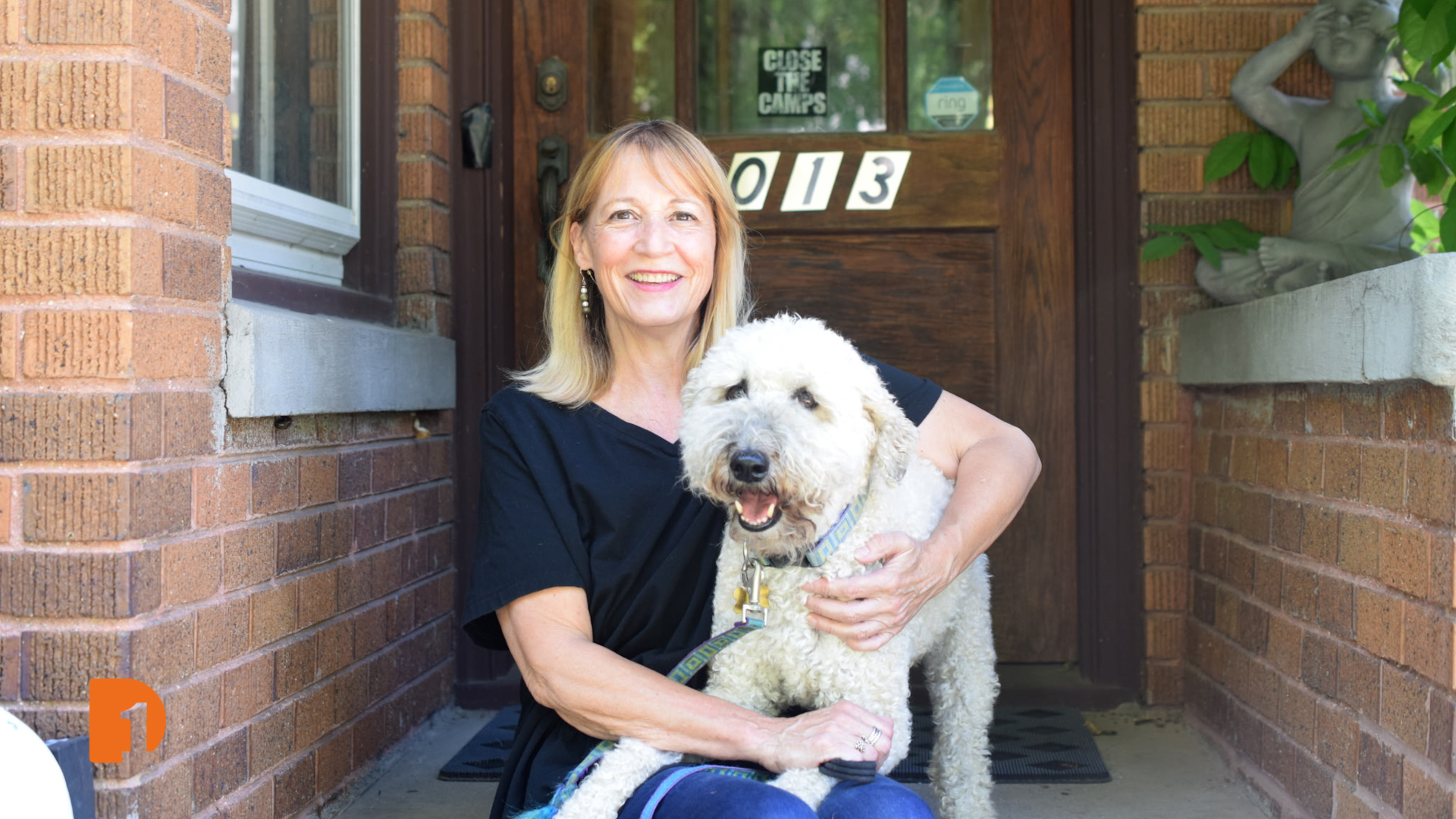
That meant the world to Susan Major.
“I know my dog is going to be with a wonderful mother. And that was a huge relief to me.”
Stay Connected
Subscribe to One Detroit’s YouTube Channel and don’t miss One Detroit on Thursdays at 7:30 p.m. and Sundays at 9 a.m. on Detroit PBS, WTVS-Channel 56.
Catch the daily conversations on our website, Facebook, Twitter @OneDetroit_PBS, and Instagram @One.Detroit








Leave a Reply
Your email address will not be published. Required fields are marked*
Support Provided By
Cynthia & Edsel Ford
Fund for Journalism at Detroit PBS


And Support From Viewers Like You. Thank you.